Active leak location and permanent repair
We trace leaks to the entry point—often not directly above the stain—and rebuild the affected assembly: shingle course, underlayment, flashing, and sealing details where needed.
Serving Wauchula, Florida & surrounding areas
Mon–Fri 8am–6pm Sat 9am–2pm
Stop leaks fast, replace missing shingles, and get a clear repair plan after storm damage. Wauchula Roofing inspects the problem area, explains what failed, and restores your roof's water-shedding system without upselling work you don't need.
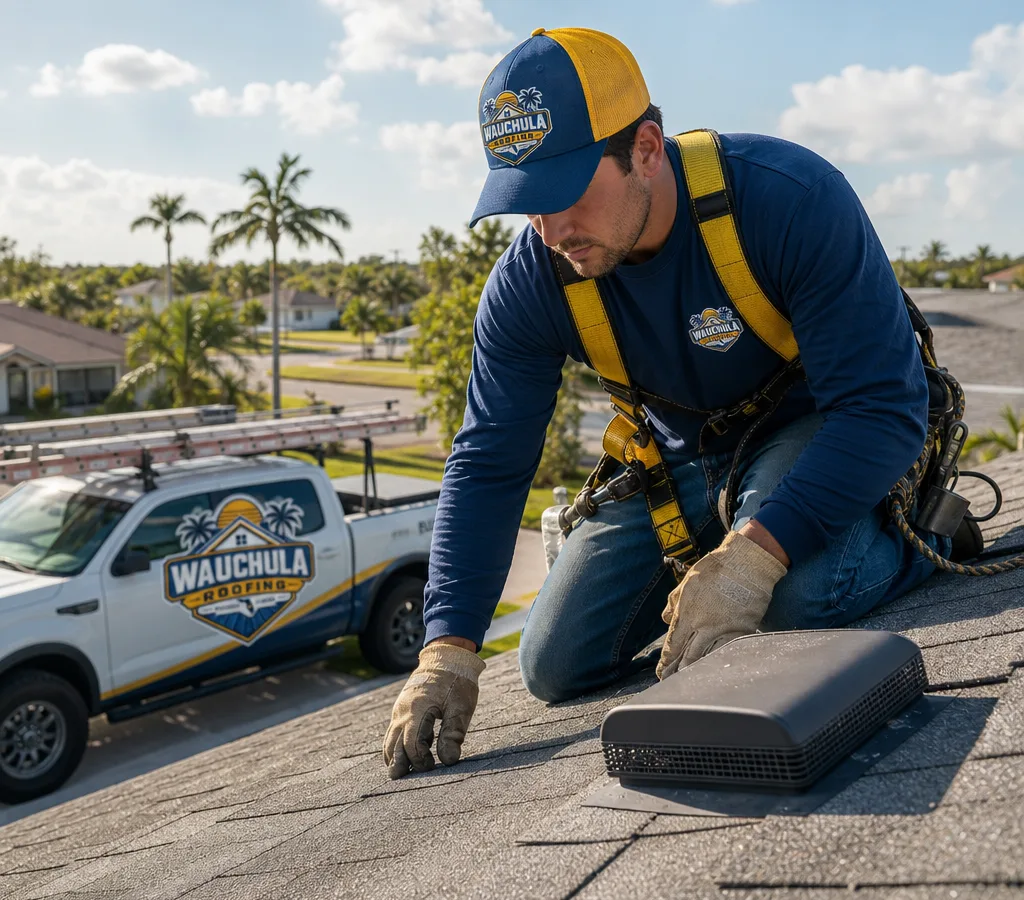
If you searched for roof repair Wauchula FL, you're probably seeing one of the usual warning signs: a drip during heavy rain, shingles on the ground, a soft spot near a valley, or ceiling staining that seems to spread. The goal of a good repair is simple: stop water at the source and rebuild the roof's layered protection—shingles, underlayment, flashing, seals, and ventilation details—so the next storm doesn't reopen the same spot.
Wauchula roofs take a beating from Florida heat, sudden downpours, and wind-driven rain. That combination exposes weak points fast, especially around pipe boots, vents, transitions, and edges. Our repairs focus on fixing the failure point and the surrounding area that caused it, not just smearing sealant over the symptom.
You will get a straightforward assessment, photos when helpful, and a written scope so you can make a clear decision before work starts. If a temporary dry-in is needed to prevent more interior damage, we will explain what can be done right away and what should follow when conditions allow.
We trace leaks to the entry point—often not directly above the stain—and rebuild the affected assembly: shingle course, underlayment, flashing, and sealing details where needed.
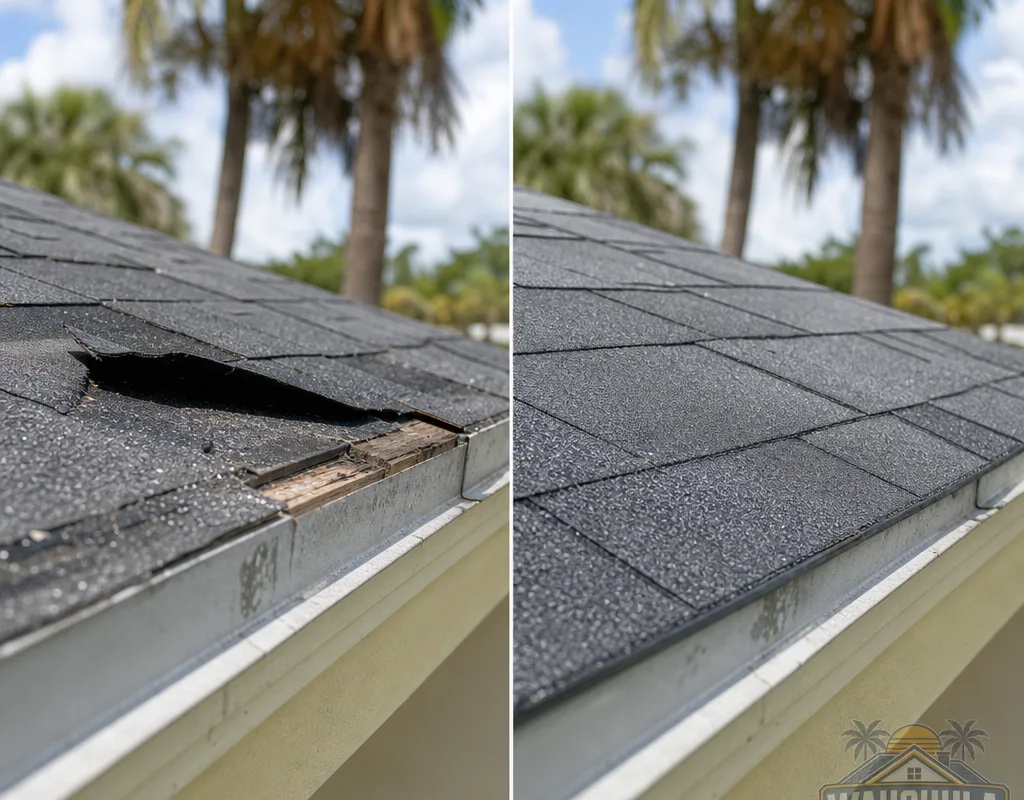
Missing, creased, or lifted shingles let wind-driven rain get under the roof covering. We replace damaged materials and re-secure edges and ridges so the repair holds in the next weather event.
Bad step flashing, valley wear, and failed transitions are frequent leak sources. Proper metal placement and integration with underlayment matters more than surface caulk.
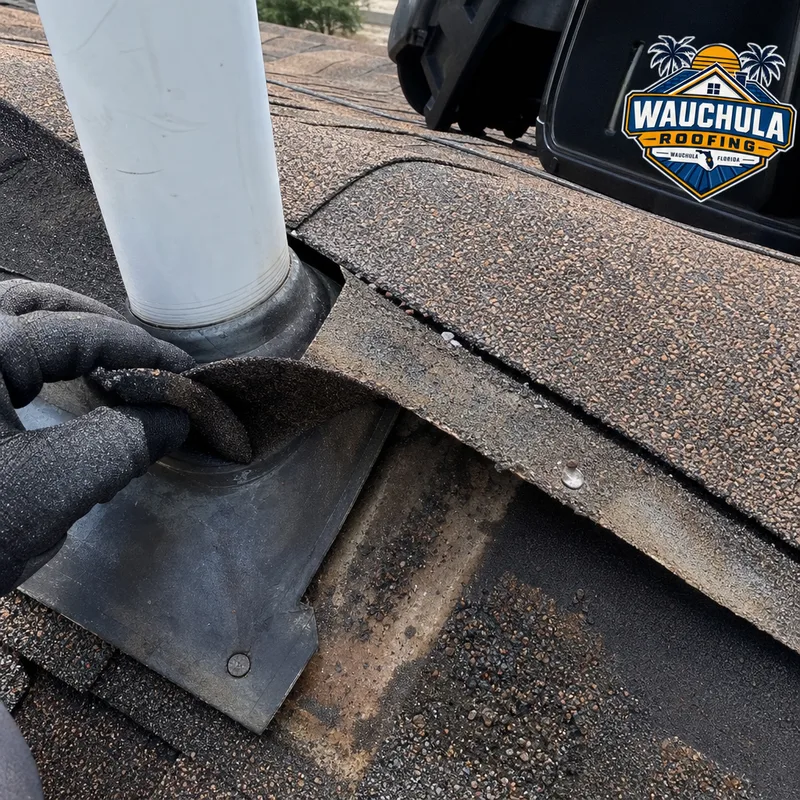
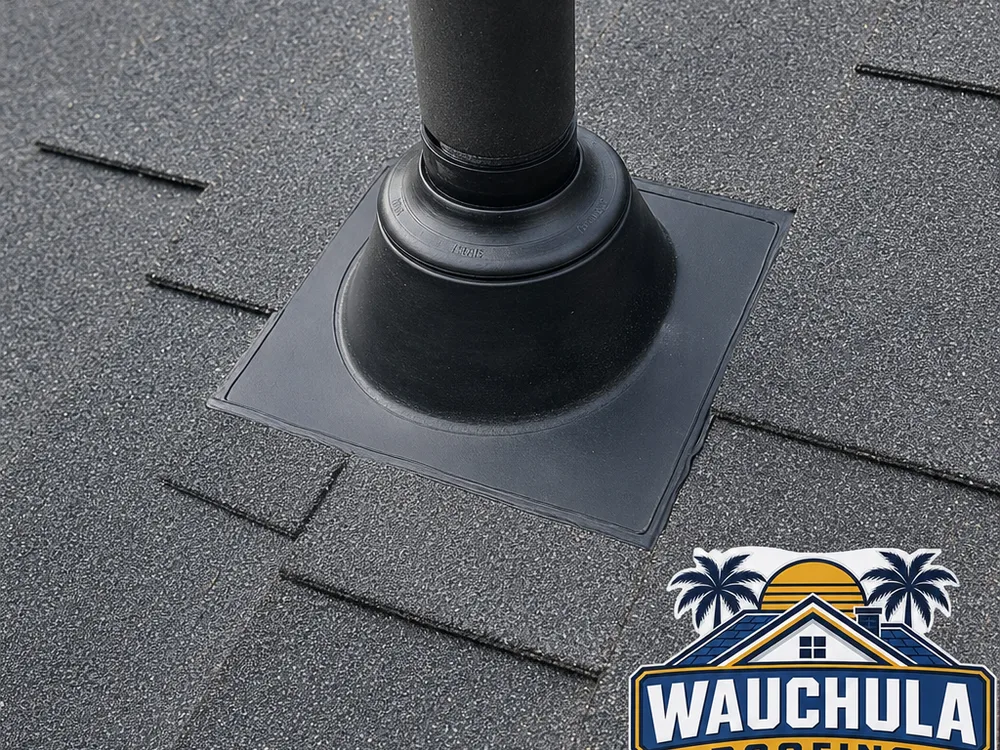
Cracked rubber boots and failed seals around penetrations can drip for months before you notice. We replace the failed components and rework the surrounding shingle field.
Loose drip edge, damaged eave details, and deteriorated edge courses can allow water to wick in. We restore the edge so runoff goes into the gutter line, not into the deck.
If the deck is softened or deteriorated in a localized area, we identify the extent and recommend the safest repair approach so the roof stays structurally sound.
A roof leak is usually a path problem, not a single hole. Water can enter at a lifted shingle, travel along underlayment or a decking seam, then show up inside several feet away. That is why interior stains are a clue, not a map.
We start by narrowing the leak zone using the home's layout, attic signs when accessible and safe, and roof-side inspection of likely entry points: valleys, sidewalls, chimneys, pipe boots, vent stacks, skylights, and eave or rake edges. We look for mechanical failures, material breakdown, and installation details that allow water to back up under the covering.
A lasting repair puts the roof back to a shingle-by-shingle water-shedding system. That means correct overlap, properly placed flashing, compatible sealants only where appropriate, and replacement of materials that cannot be restored. Surface tar and heavy caulk might slow a drip briefly, but they usually fail under heat and movement and can make later repairs harder.
Choose a company that can explain the failure point in plain language and put the scope in writing. You can also get a sense of our approach and service area through Wauchula Roofing Experts.
A defined process keeps the diagnosis, scope, repair, and final check clear from the beginning.
We evaluate access, roof pitch, and weather conditions first. Then we inspect the suspected areas and any related components that commonly fail in the same zone.
We identify the entry point and any contributing issues such as damaged flashing, exposed fasteners, failed pipe boots, or shingle blow-offs.
You receive a clear scope describing what will be replaced or reworked, what materials are involved, and what preparation is required to do the repair correctly.
We complete the approved repair, clean up the work area, and re-check the repaired section for correct overlap and sealing where applicable.
If you have an active leak or storm damage, get an inspection soon.
Fast repairs can limit insulation, drywall, and decking damage that spreads when moisture stays trapped.
Practical answers about active leaks, storm damage, shingle matching, flashing, and protecting your home while you wait.
For active leaks, the priority is to assess the entry point and determine whether a temporary dry-in is needed the same day, then schedule the permanent repair as soon as conditions allow. Timing depends on weather, roof access, and material availability, but we will tell you the fastest safe path to stop ongoing water intrusion.
Yes. We repair storm damage such as missing shingles, creased tabs, lifted ridge caps, and compromised edges, then check adjacent areas for hidden uplift that can leak later. Wind-driven rain in Florida often exposes weak spots around ridges, hips, and penetrations, so we inspect those details as part of the same visit.
Often, yes, but an exact match is not always possible due to product changes, sun fading, and discontinued colors. We aim to match the profile and color as closely as practical and install the repair so it blends cleanly with the surrounding courses.
No. Water frequently travels along the underside of shingles, underlayment, or decking seams before it shows up inside, so the stain can be several feet away from the entry point. That is why we inspect common leak sources like valleys, flashing transitions, vents, and pipe boots even if the interior mark looks centered elsewhere.
We repair the components that actually stop water, which often includes flashing at transitions, seals around penetrations, and the surrounding shingle field. A shingle-only patch can fail if the real issue is a cracked pipe boot, loose flashing, or an installation detail that lets water back up under the roof covering.
Move valuables away from the leak area, place a container to catch drips, and use towels to reduce splashing. If you can safely access the attic, look for active dripping and wet insulation, but avoid stepping on drywall or moving wiring. Do not go on the roof during wet or windy conditions; it is safer to document the interior symptoms and let a trained crew handle roof access.
Tell us what you're seeing—leak location, missing shingles, or recent storms—and we'll schedule an inspection, explain the failure point, and provide a written scope to restore your roof's protection.