Active leak location and isolation
We trace where water is getting in and isolate the most likely entry points, including penetrations, valleys, edges, and transitions where different roof planes meet.
Serving Wauchula, Florida & surrounding areas
Mon–Fri 8am–6pm Sat 9am–2pm
When wind or heavy rain opens up your roof, fast temporary protection matters. We respond quickly, stop active leaks, and document the damage so you can move from emergency stabilization to a permanent repair plan.
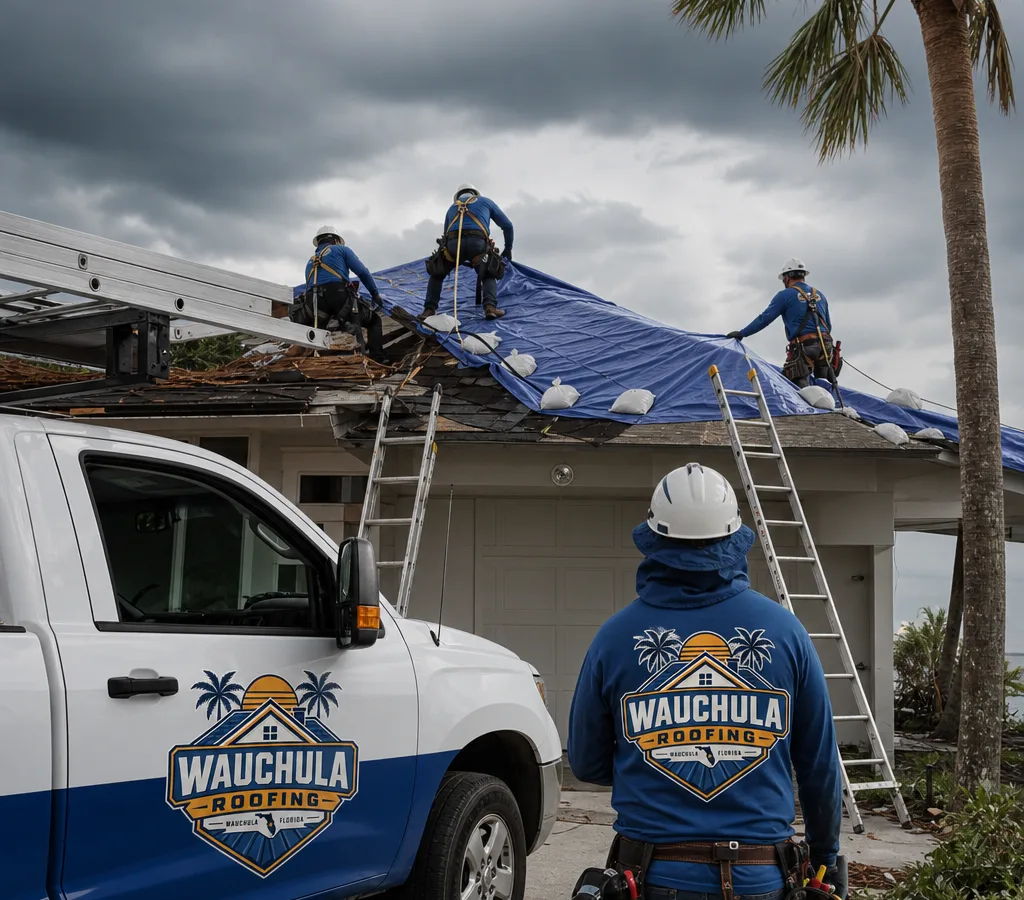
If you are searching for emergency roof service Wauchula FL, the goal is simple: protect the structure before water turns one problem into many. Wauchula Roofing focuses on urgent measures that reduce interior damage, keep the roof opening from spreading, and create a clear path to permanent repairs.
Emergency roof situations around Wauchula often follow the same pattern. Wind lifts shingles or metal panels, a tree limb hits a slope, or heavy rain finds a weak point at flashing or a roof-to-wall transition. Once water is inside, it can saturate insulation, stain ceilings, and begin affecting drywall and electrical areas. The best time to act is immediately, even if the long-term repair will be scheduled after the weather clears.
Our emergency work is about stabilization. That usually means locating the active entry point, adding temporary weatherproofing—tarping or temporary patching where appropriate—and documenting what we see so you can make decisions with real information instead of guesses. For a broader look at who we are and the areas we cover, you can review Wauchula Roofing Experts.
The visit focuses first on safe access and immediate protection, then on documenting the damage and defining the permanent repair.
We trace where water is getting in and isolate the most likely entry points, including penetrations, valleys, edges, and transitions where different roof planes meet.
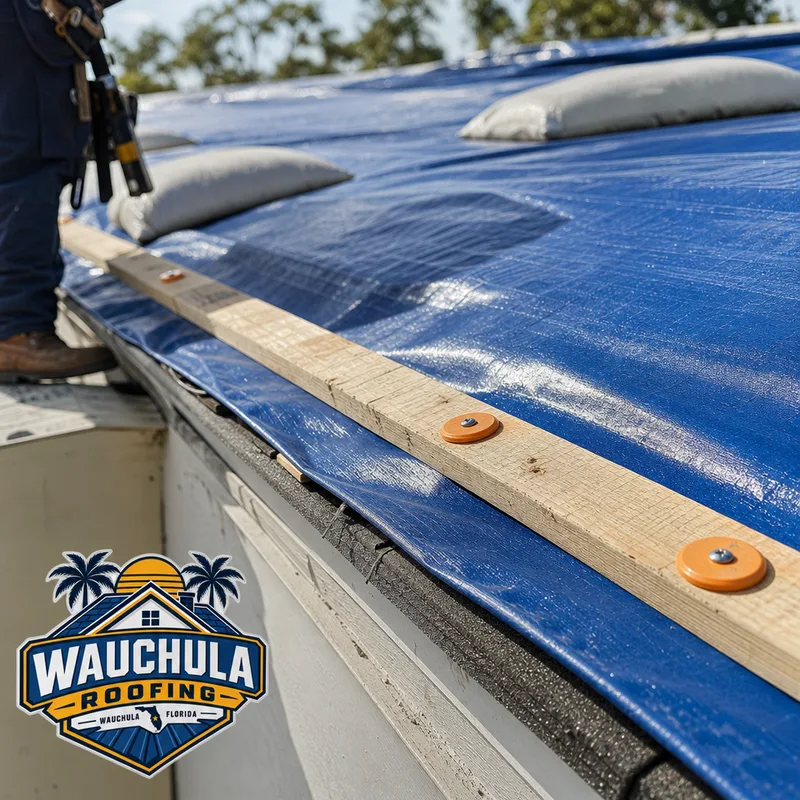
When sections are missing or compromised, we install a tarp and secure it to resist wind uplift and shedding rain until permanent repairs can be completed.
Some conditions allow a safe temporary patch, such as small openings or localized flashing issues. If it will not hold, we do not pretend it will.
Clear documentation helps you understand what failed and supports a smoother insurance conversation if the damage is storm-related.
Wet roofs, steep pitches, and damaged decking change how the job is approached. We prioritize safe access, proper ladder setup, and controlled movement on the roof.
After stabilization, we outline what needs to be repaired or replaced, the likely materials involved, and what timing makes sense once conditions are safe.
In the middle of a leak, the right first steps can limit damage before a technician arrives.
Once we arrive, we focus on stopping active intrusion first, then protecting the surrounding areas that tend to fail next. In storm season conditions common to central Florida, wind-driven rain can push water sideways under edges and around flashing, so emergency protection needs to be installed with that in mind.
A clear sequence keeps urgent protection, safety decisions, documentation, and permanent repair planning organized.
We gather the key details: where the leak shows inside, when it started, and any known storm impact. That helps us arrive prepared with the right tarping and patch materials.
We inspect from the ground first, then access the roof only when conditions allow. We look for missing covering, damaged flashing, punctures, and soft areas that may indicate compromised decking.
We install the temporary protection that fits the damage: tarping for larger openings, temporary patching for localized failures, and reinforcement where wind may widen a tear or lifted edge.
If water has entered the attic or ceiling cavity, we explain what to watch for over the next 24 to 48 hours, including signs of continued seepage and areas that may show delayed staining.
You receive a clear plan for permanent repairs. If the roof needs a larger repair scope, we outline sequencing so the home is protected while materials and scheduling are coordinated.
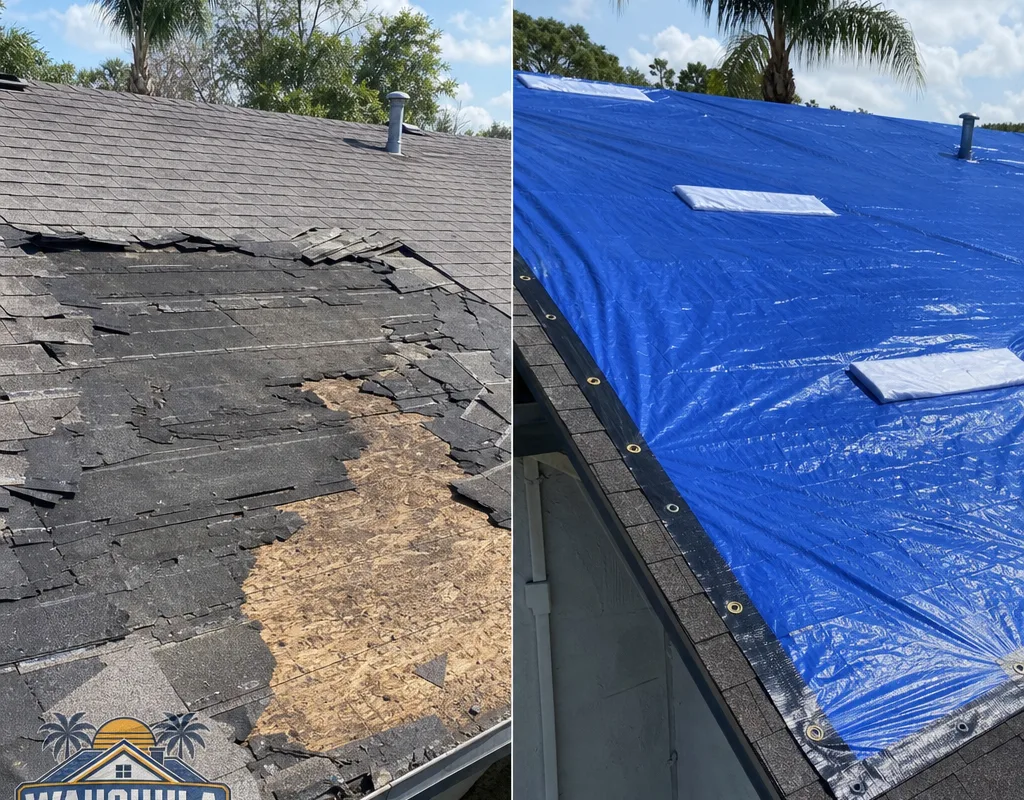
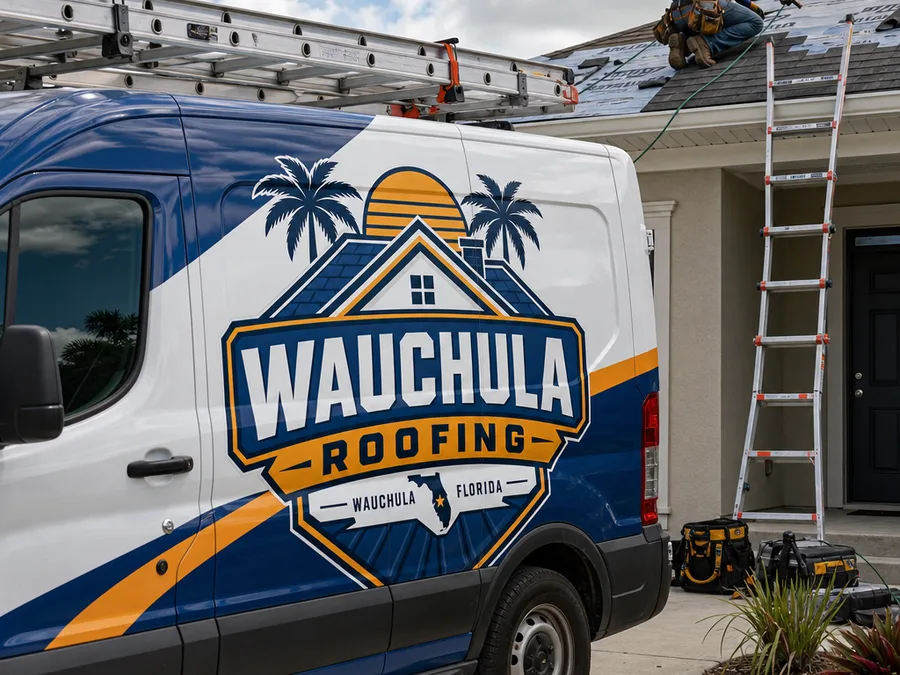
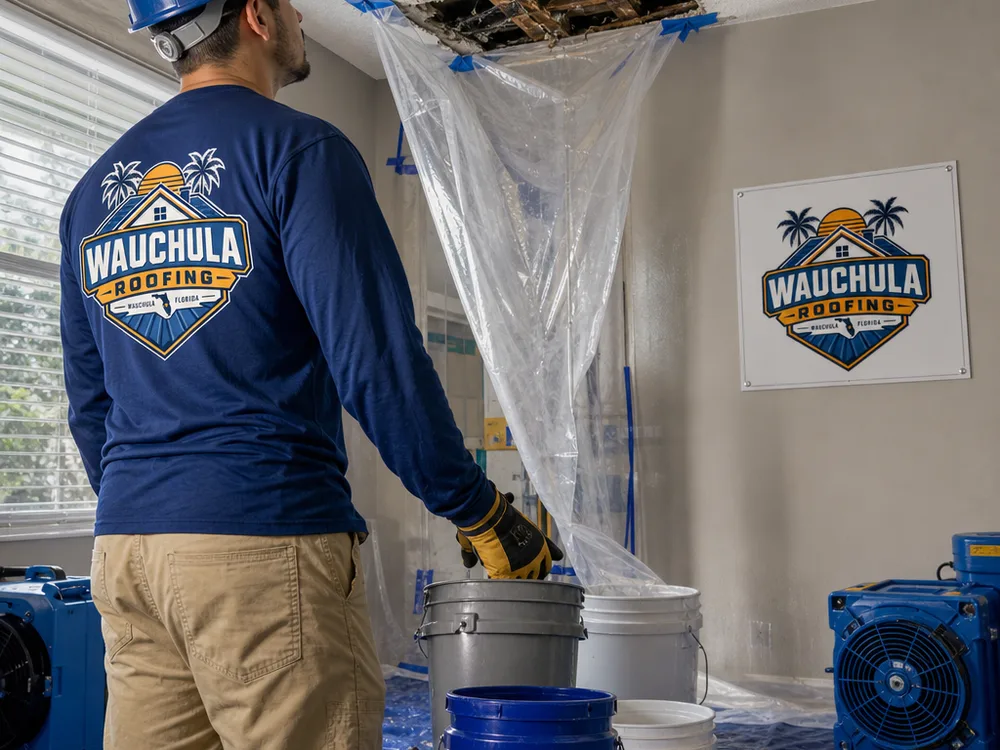
When a storm opens your roof, the priority is stopping water fast. We stabilize the damage, explain exactly what was done, and lay out a clear plan for the permanent repair so you are never left guessing.
Speak With A Roofing ExpertPractical answers about safe access, tarping, documentation, and what happens after the roof is stabilized.
Response time depends on weather conditions and current demand, but the priority is to stop active water intrusion as quickly as it is safe to access the roof. During heavy storms, the most urgent situations are stabilized first, and some work may be scheduled for the first safe window after wind and lightning pass.
A properly installed tarp usually stops most wind-driven rain from entering through an opening, but it is still temporary protection. If water is entering through multiple pathways—for example, a lifted edge plus a compromised flashing point—stabilization may require more than one protective measure.
We will not put people on a roof when conditions are unsafe. Wet surfaces, gusts, and lightning increase fall risk and can make tarps fail during installation, so we plan for the earliest safe access and may use ground-based assessment and interior guidance until then.
The most helpful details are where you see water inside, when it started, whether any branches or debris hit the roof, and what type of roof covering you have if you know it. Photos from the ground and interior leak area help, but do not climb up for pictures.
Yes, we can provide photos and a written description of observed storm-related damage and the temporary emergency measures performed. Final claim decisions and coverage are handled by your insurer, but clear documentation helps you communicate what happened and what was required to protect the property.
After the roof is stabilized, the next step is a permanent repair plan that matches the roof system and the extent of damage. That typically includes replacing damaged covering, addressing underlayment and flashing as needed, and verifying the decking is sound before the roof is closed back up.
Tell us what you are seeing inside and what happened outside. We will help you stabilize the roof quickly, document the damage, and plan the permanent repair so your property stays protected.